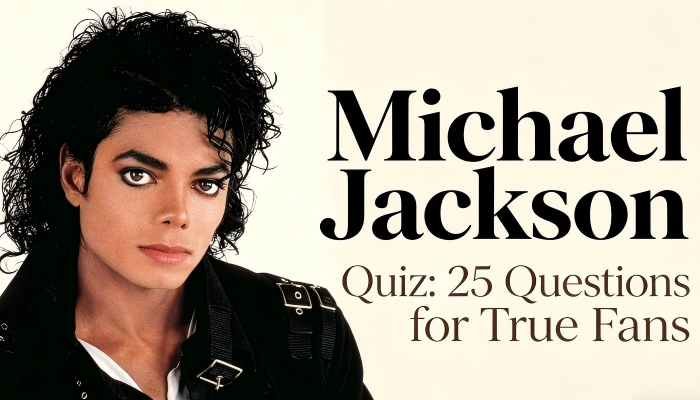
Michael Jackson sold more records than any solo artist in history. He patented a pair of shoes. He once tried to buy Marvel Comics so he could play Spider-Man. And on a Tuesday morning in September 2001, he overslept — and it may have saved his life.
You know the hits. You’ve seen the moonwalk. But how deep does your knowledge actually go? This Michael Jackson quiz covers 25 questions spanning his music, his performances, and the stranger-than-fiction details of his life — starting easy and ending in territory that trips up even hardcore fans.
Ready to find out how well you really know the King of Pop?
Play Now
How well did you score on this Michael Jackson quiz? Whether you nailed every question or tripped over a few deep cuts, here’s the thing: the answers barely scratch the surface. The King of Pop’s story is one of those rare histories where the deeper you dig, the stranger and more fascinating it gets. So let’s dig.
Michael Jackson & The Jackson 5: The Gary Years
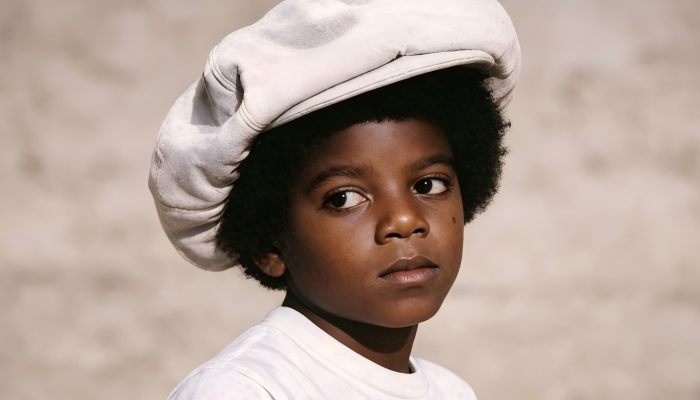
Michael Jackson’s path to global fame started in a cramped house on Jackson Street in Gary, Indiana. His father, Joseph, is a steelworker and former boxer, he drove his sons through relentless rehearsals, sometimes using a belt when they hit wrong notes. The method was brutal, and Michael spoke about its lasting scars for the rest of his life. But it produced results no one could have predicted.
The Jackson 5 signed with Motown Records in 1969. Their first single, “I Want You Back,” shot straight to No. 1. So did the next three. Four consecutive chart-toppers from a debut act — that hadn’t happened before, and it hasn’t happened often since. Michael was 11 years old.
Unlike other child stars of the time, his talent also stemmed from a strict yet loving upbringing. Besides his father’s strict training methods, his mother, Catherine, would often wake him up late at night to watch James Brown perform on television.
Brown’s explosive footwork, slides, and spins, along with his sudden leaps, young Michael absorbed all of this deeply into his being. By the time he finally took the stage himself, these moves he had once imitated had become his own unique style.
The Making of Michael Jackson’s Thriller
By 1982, Michael Jackson had already proven himself with Off the Wall, a disco-era masterpiece that sold 20 million copies. But when the album failed to win the Grammy for Album of the Year, Jackson was devastated. That frustration became fuel. He told Quincy Jones he wanted to make an album with zero filler — every track a potential hit single.
The partnership between Jackson and Jones had started almost by accident. In 1978, Jackson landed the role of the Scarecrow in The Wiz, a reimagining of The Wizard of Oz. Jones was scoring the film. Jackson asked Jones to recommend a producer for his solo album. Jones recommended himself. The collaboration that followed produced Off the Wall first, then Thriller.
The recording sessions at Westlake Studios in Los Angeles were marathon efforts. Jones assembled 62 musicians and 22 singers. Three studios ran simultaneously during the “Beat It” sessions: Eddie Van Halen cut his guitar solo in one room, Jackson sang through a five-foot cardboard tube in another, and a third studio handled mixing. At one point, the speakers overloaded and caught fire.
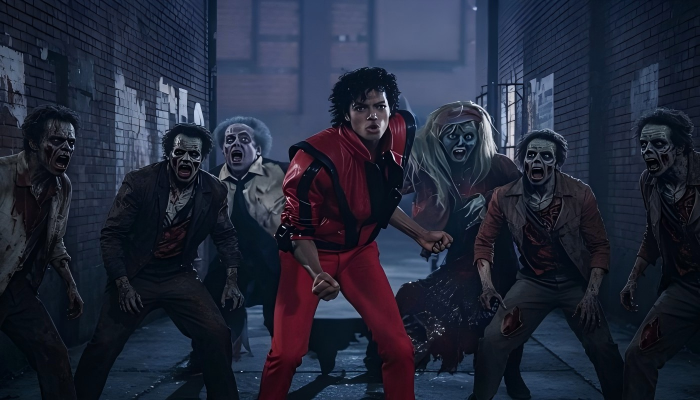
Several behind-the-scenes battles nearly derailed individual tracks. Jones wanted to shorten the intro to “Billie Jean,” calling it too long. Jackson refused. “That’s the jelly — that’s what makes me want to dance,” he said. The intro stayed. Meanwhile, the title track was almost called something else entirely.
Songwriter Rod Temperton went through hundreds of options — including “Starlight” and “Midnight Man” — before landing on “Thriller.” He initially hated the word, calling it “a crap word to sing,” but it clicked once Jackson recorded it.
When Thriller dropped in November 1982, it stayed on top of the Billboard 200 for 37 non-consecutive weeks. It has since sold over 70 million copies. That number still stands as the all-time record.
Moonwalk to Stage Magic: Michael Jackson’s Live Legacy
The moonwalk lasted roughly two and a half seconds. That’s it. During his performance of “Billie Jean” at the Motown 25 special on March 25, 1983, Michael Jackson glided backward twice, each time for barely a heartbeat.
The audience screamed, 47 million people watching on NBC two months later lost their minds. And those few seconds became the most replayed dance moment in television history.
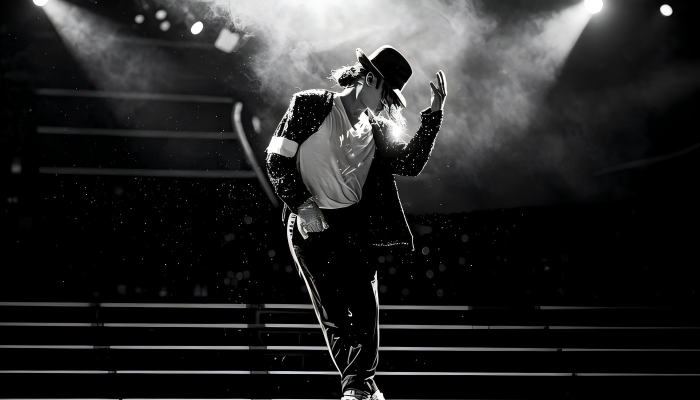
What most people don’t know is that Jackson almost didn’t perform that night. The show was strictly a Motown celebration, no outside material allowed. Stevie Wonder, Diana Ross, Marvin Gaye, nobody got to play new songs. Jackson agreed to reunite with his brothers for a Jackson 5 medley, but only on one condition: he’d get to perform “Billie Jean” solo afterward. Berry Gordy himself had to approve the exception.
Jackson’s dissatisfaction with his own performance became part of the legend too. He cried backstage afterward — not from joy, but from frustration. He felt his toe stand at the end hadn’t lasted long enough. The rest of the world saw perfection. He saw room for improvement.
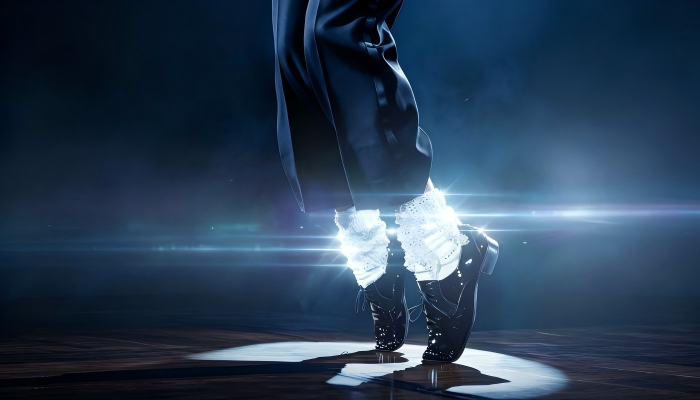
That relentless drive showed up again in the “Smooth Criminal” music video, where Jackson leaned forward at a seemingly impossible 45-degree angle. It wasn’t camera trickery. He patented a special shoe (U.S. Patent No. 5,255,452) with a slot in the heel that locked into a peg on the stage floor. It was engineering in the service of spectacle — and it captured exactly how Jackson thought about performance.
His influence extended beyond his own shows. Before Jackson headlined the 1993 Super Bowl halftime, the slot was filled by college marching bands and Up with People. His 12-minute set — performed for 133 million viewers — proved that halftime could be a cultural event. Every superstar halftime show since owes a debt to that performance.
What Most People Get Wrong About Michael Jackson
The public Michael Jackson spoke in a soft, high-pitched voice — breathy, almost childlike. In private, people who knew him described a noticeably deeper, more natural speaking voice. The gap between the two has fueled decades of speculation, but those close to him said the public version was simply a persona he’d adopted over the years.
Behind closed doors, Jackson was a voracious reader. His personal library held over 10,000 books, spanning history, psychology, art, and science. He once told a friend that he learned something new every single day — not from the music industry, but from books.
His charitable giving was staggering and mostly invisible. Over the course of his life, Jackson donated more than $300 million to various causes, primarily children’s hospitals and orphanages. He never sought publicity for it. The Guinness Book of World Records recognized him as the pop star who supported the most charitable organizations — 39 in total.
And then there are the facts that sound made up but aren’t. In the late 1990s, when Marvel Comics filed for bankruptcy, Jackson tried to buy the company — primarily because he wanted to play Spider-Man in a film. The deal collapsed, and Tobey Maguire landed the role instead. Elizabeth Taylor once gifted him a 5,000-pound Asian elephant named Gypsy.
And on the morning of September 11, 2001, he had a meeting scheduled inside one of the World Trade Center towers. He missed it because he overslept.
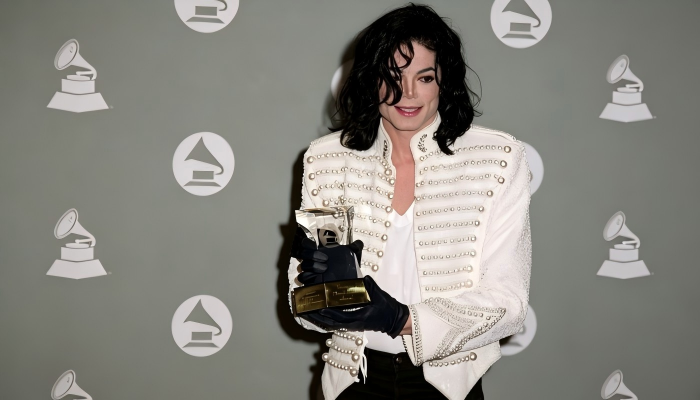
Jackson accumulated 23 Guinness World Records, 13 Grammy Awards, and 26 American Music Awards. When he died in June 2009 at age 50, his music saw an immediate surge — 35 million albums sold in the 12 months following his death. The King of Pop was gone, but his catalog proved what he’d always believed: the music outlasts everything.
Think you can stump your friends? Share this Michael Jackson quiz and see who really knows the King of Pop.